2026 Fridges, Decoded: AI Energy Mode, Convertibles and New Stars
AI Energy Mode, convertible zones, inverter compressors and stabiliser-free, decoded. Plus why fridge stars got stricter in 2026 and why prices went up, not down.
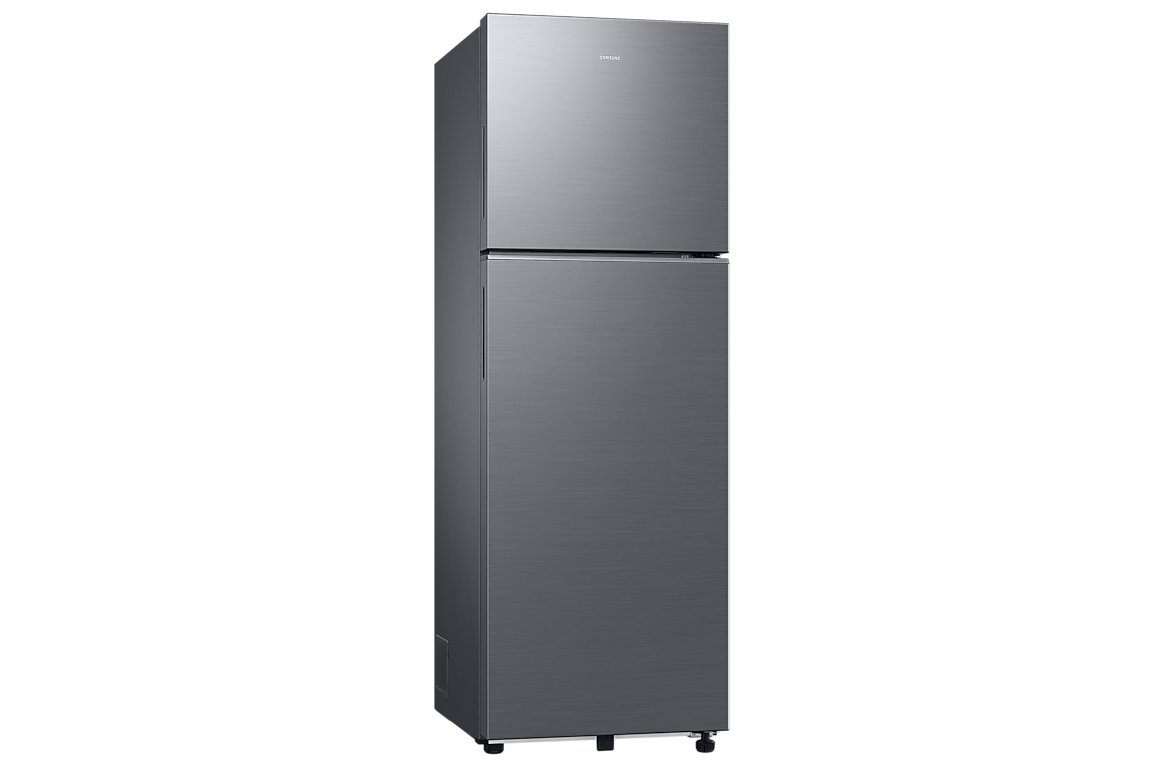
Photo: Samsung
Basgo saysCompare kWh, not stars. Convertible ≠ efficient.
A fridge runs 24 hours a day for ten years or more, so what it says on the sticker matters more than on almost any other appliance. 2026 changed that sticker, raised the prices and added a new layer of brochure language: AI Energy Mode, 5-in-1 Convertible, Digital Inverter, stabiliser-free. Here’s what’s behind each.
What changed in 2026
- The stars got stricter. New BEE star tables for frost-free and direct-cool fridges took effect on 1 January 2026 and run until 31 December 2028. A fridge that earned five stars last year may carry four on the new scale.
- Prices went up, twice. Fridges were left out of September 2025’s GST cut, which went to ACs, dishwashers and TVs. Industry reports then put rises of about 3–5% in January, when the new labels arrived, and 3–4% from 1 October, blamed on copper, steel, aluminium and freight costs.
So a Diwali “deal” on a fridge is often a discount off a raised price. Judge it on running cost, not on the MRP crossed out.
The new launches
- Samsung RT80H30U3T (256 litres, January 2026): rated 3 stars under the new tables, from ₹33,990 on Samsung’s store. It has a Digital Inverter compressor with a 10-year compressor warranty, a 2-in-1 conversion mode, AI Energy Mode, and a “stabiliser-free” range of 100–300 V.
- Samsung’s Bespoke AI top-freezer range (April 2026): from ₹26,090, with Wi-Fi app control on select 236- and 256-litre models.
- LG’s 2026 French-door range (574–610 litres, June 2026): from about ₹1.18 lakh. As reported at launch, the 610-litre model is rated 2 stars at 620 kWh a year, a reminder that a big, expensive fridge can be an inefficient one.
The label: compare kWh, not stars
Stars are a rank within one table, for one type of fridge, for one period. The number that tells you your bill is kWh per year, the electricity the fridge uses in a year of standard use:
- A 236-litre 3-star frost-free Samsung listed this year uses about 200 kWh a year, roughly ₹1,600 at ₹8 a unit.
- The 610-litre French door above uses 620 kWh, about ₹5,000 a year.
Two checks before you buy:
- Read the label period. A 2026–2028 label is graded harder than a 2023–2025 one. A “5 star” in a listing title tells you nothing until you know which.
- Compare kWh per year directly, especially between different sizes and types. You can look any model up on BEE’s star-label search before you buy.
The brochure words, decoded
AI Energy Mode (Samsung): an app setting that adjusts cooling to save power. Samsung claims up to 10% savings, but against the factory temperature setting, not against a sensible manual one. It needs the fridge on Wi-Fi, the SmartThings app and a Samsung account.
Convertible / 5-in-1 / 2-in-1 Smart Conversion / FreshConverter+: switch the freezer, or a section of it, to fridge temperatures when you need more fridge space, say during a festival or after a big grocery run. It’s useful flexibility. It isn’t an efficiency feature: by the test standard, a convertible’s star is measured in its most power-hungry mode.
Digital Inverter / Smart Inverter / Vario Inverter / Linear: brand names for an inverter compressor, one that speeds up and slows down to hold the temperature instead of switching fully on and off. That makes it quieter, gives steadier temperatures and uses less power. Most mid-range fridges have one now. Read the warranty: “10 years on the compressor” covers the compressor only, and the rest of the fridge usually gets one year.
Stabiliser-free operation: the fridge copes with the voltage range the maker states. Samsung lists 100–300 V for its 2026 256-litre model. There’s no standard definition, so check the range against your area’s supply. In places with severe fluctuations, a stabiliser is still cheap insurance.
Frost-free vs direct cool: frost-free fridges use a fan and defrost themselves. Direct-cool fridges are simpler, usually use less electricity and need manual defrosting. Direct cool still makes sense for small, budget single-door buys.
Gross vs net litres: gross is the entire inside volume; net (storage) is the space you can actually fill. Some brands advertise one and print the other. Samsung’s 256-litre page lists 203 litres of fridge plus 53 of freezer, all net. Compare net with net.
Honest verdict
In 2026, ignore the stars in listing titles and compare kWh per year, checking the label period. Buy an inverter compressor with a long compressor warranty, take a convertible if you need flexible space (not efficiency), and treat AI Energy Mode as a bonus that needs Wi-Fi. Prices rose this year and fridges got no GST relief, so a big festive discount on a fridge is often just last month’s price.
Questions people ask
Did fridge star ratings change in 2026?
Yes. New star tables for frost-free and direct-cool fridges apply from 1 January 2026 to 31 December 2028, so a fridge needs to use less electricity for the same stars than it did in 2025. Check the label period printed on the sticker and compare the kWh per year figure.
Did fridges get cheaper with the 2025 GST cut?
No. The September 2025 cut from 28% to 18% covered ACs, dishwashers and TVs over 32 inches. Fridges weren't on the list. Industry reports say fridge prices actually rose about 3–5% in January 2026 and another 3–4% from 1 October.
Is a convertible fridge more energy-efficient?
No. Convertible modes let you switch the freezer (or part of it) to fridge temperatures for more fridge space. Under the Indian test standard, a convertible is rated in its most power-hungry configuration, so its star reflects the worst case.
What does Samsung's AI Energy Mode do?
It's an app feature that adjusts cooling to save power. Samsung claims up to 10% savings compared with the factory temperature setting. It only works with the fridge on Wi-Fi, the SmartThings app and a Samsung account.
Why does an expensive French-door fridge have only 2 stars?
Big fridges use far more electricity, and price says nothing about efficiency. LG's 610-litre 2026 French-door model is reported at 2 stars and 620 kWh a year, about ₹5,000 of electricity a year at ₹8 a unit. Compare the kWh figure, whatever the size or price.