The '20–28°C AC Rule', Decoded: Proposed, Not Law (Yet)
In June 2025 the government proposed limiting AC settings to 20–28°C. As of October 2026 it isn't law. What is in force (the 24°C default) and what it means for you.
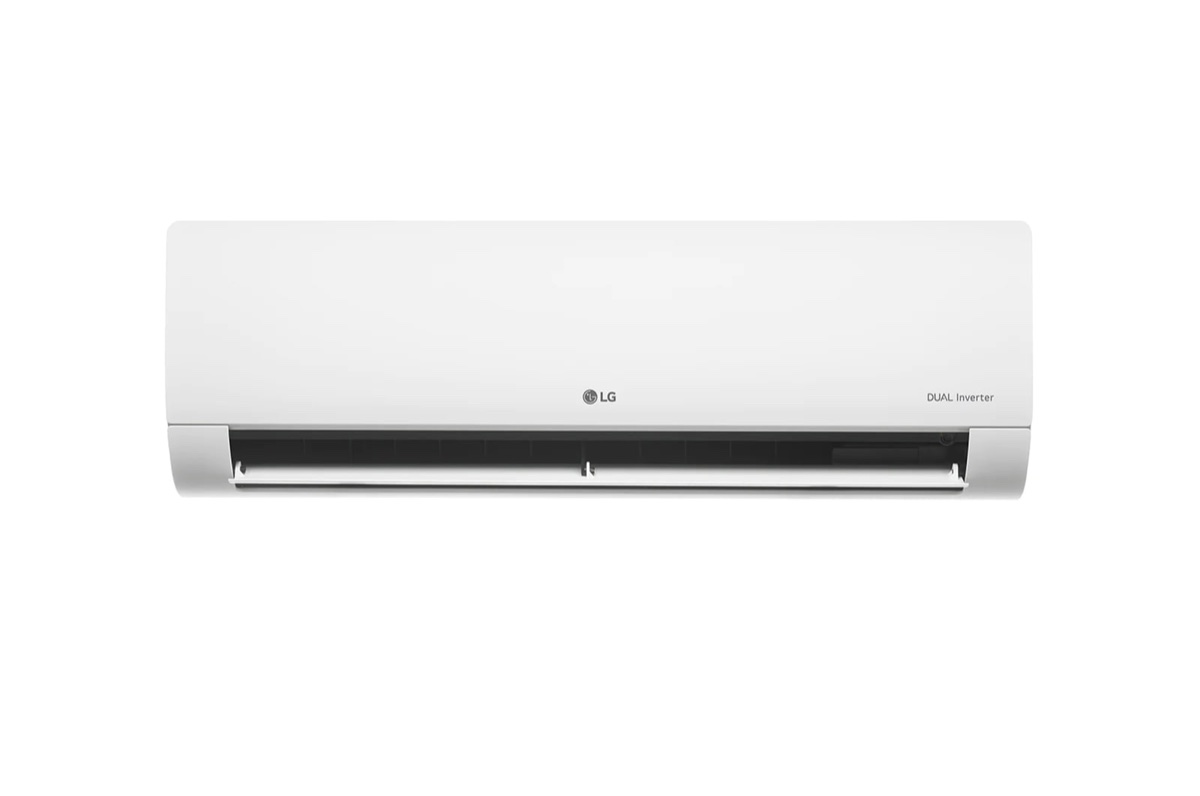
Photo: LG
Basgo saysNot law. 24°C default is. Set 24–26°C, add a fan.
“The government won’t let your AC go below 20°C.” You may have seen it in a WhatsApp forward, a news headline, or a rental-site blog stating it as fact. Here’s what was actually announced, what’s actually law, and what it means when you pick up the remote.
What was announced
On 10 June 2025, the Power Minister announced that India was looking at standardising AC temperature settings to a range of 20°C to 28°C, covering homes, offices and even vehicles. He said consultations were going on, and regional differences were floated too.
That was a proposal. For something like this to become law, the government has to issue a formal notification. As of October 2026, we found none. So:
- No law stops your AC going below 20°C today.
- Anything telling you it’s already mandatory is wrong.
What is actually in force: the 24°C default
There is a real rule, and it’s older. Since 1 January 2020, star-labelled room air conditioners sold in India must switch on at a default setting of 24°C. It’s only the starting point, and you can still pick another temperature with the remote. It nudges people away from the habit of setting 18°C and waiting for the room to catch up.
Why the government cares about your thermostat
ACs drive India’s summer peak electricity demand, and that peak is what strains the grid. BEE has long said that each degree higher saves about 6% of an AC’s electricity. Across tens of millions of ACs, a few degrees is power-plant scale.
What it means for you
Nothing changes yet. But the advice behind it is sound, rule or no rule:
- Set 24–26°C and run the ceiling fan. Moving air makes a room feel several degrees cooler, and a fan costs a fraction of what the AC does.
- Use sleep mode at night. It eases the temperature up gradually as your body cools, which is easy savings for 8 hours.
- Don’t set 18°C to cool the room faster. It doesn’t: the AC runs flat out either way, and you just overshoot later.
- Close curtains on sun-facing windows before the afternoon.
Honest verdict
The 20–28°C limit is a proposal, not law, as of October 2026. What is law is the 24°C default, and it’s good advice anyway. Set 24–26°C, add a fan, and your bill drops whatever Delhi decides. For more AC brochure decoding, see AC prices after the GST cut and our inverter vs non-inverter guide.
Questions people ask
Is there a law that ACs can't be set below 20°C?
Not as of October 2026. In June 2025, the Power Ministry announced a proposal to standardise AC temperature settings between 20°C and 28°C, and said consultations were going on. We found no notification making it law. Blogs saying it's already mandatory are wrong.
What is the 24°C default rule for ACs?
Since 1 January 2020, star-labelled room air conditioners in India have had to switch on at a default setting of 24°C. It's only the starting point: you can still set the temperature you want with the remote.
Does a higher AC temperature really save electricity?
Yes. BEE has long said that each degree higher on the AC saves about 6% of its electricity. Moving from 20°C to 24°C, with a ceiling fan running, can cut a large share of the bill without feeling much warmer.
Will the 20–28°C rule affect the AC I already own?
There's nothing official to go on yet. The proposal hasn't been notified, so no details exist about which ACs it would cover or from when. We'll update this guide if a notification is issued.
What's the best temperature to set my AC to?
For most people, 24–26°C with a ceiling fan on low feels as comfortable as a much colder setting without a fan, at a fraction of the cost. Sleep mode helps further by easing the temperature up through the night.